(SeaPRwire) –
By: Gavin Thorne
The Pentagon’s latest injury tally isn’t just a routine update on troop health. It’s a front line in the escalating battle between the Trump administration and Congress over war powers. Nearly 100 troops hurt in two weeks since Iran hostilities resumed, with 96% back to duty, is being framed by the Pentagon as a sign of military resilience. But Capitol Hill lawmakers see it as concrete proof that Trump’s unapproved escalation is putting service members in unnecessary, repeated danger. This isn’t just about casualty numbers – it’s about who gets to decide when the U.S. goes to war and how long it stays there.
Since July 7, 2026, nearly 100 U.S. troops have suffered injuries, mostly minor concussions, according to Pentagon spokesperson Sean Parnell. The count came on the heels of three troop deaths in as many days. 1st Lt. Tyler James Feehan, Pvt. Isabella Gonzales, and Sgt. Michael Emmanuel Swinton were killed in Jordan and northern Iraq, victims of Iranian missile attacks and unexploded ordnance. Trump has called them great patriots and vowed that Iran will pay heavily for each American life lost. Since the initial U.S.-Israel strikes on Feb. 28, 447 troops have been injured total.
The latest round of violence broke a brief cease-fire established by a June 17 Memorandum of Understanding. That agreement had extended a 60-day pause to allow for negotiations. But on July 7, Iran targeted vessels in the Strait of Hormuz, prompting Trump to declare the cease-fire over. Since then, the U.S. has launched 10 consecutive evening strikes against Tehran. It also reimposed a naval blockade on Iranian ports and Hormuz, a chokepoint carrying 20% of global oil production. Yemen’s Houthi rebels added to regional tensions Monday by declaring their own naval blockade of Saudi Arabia in the Bab el-Mandeb Strait.
Senate Minority Leader Chuck Schumer was quick to renew calls for an immediate end to the war. He argued every second Trump prolongs the conflict puts more troops at risk. Senate Democrats plan to force Republicans into another vote to end the war and bring troops home. Last month, both the House and Senate passed War Powers Act resolutions aimed at restricting Trump’s ability to continue the war. California Democrat Sen. Adam Schiff filed a new War Powers Resolution last week to reign in the administration’s actions.
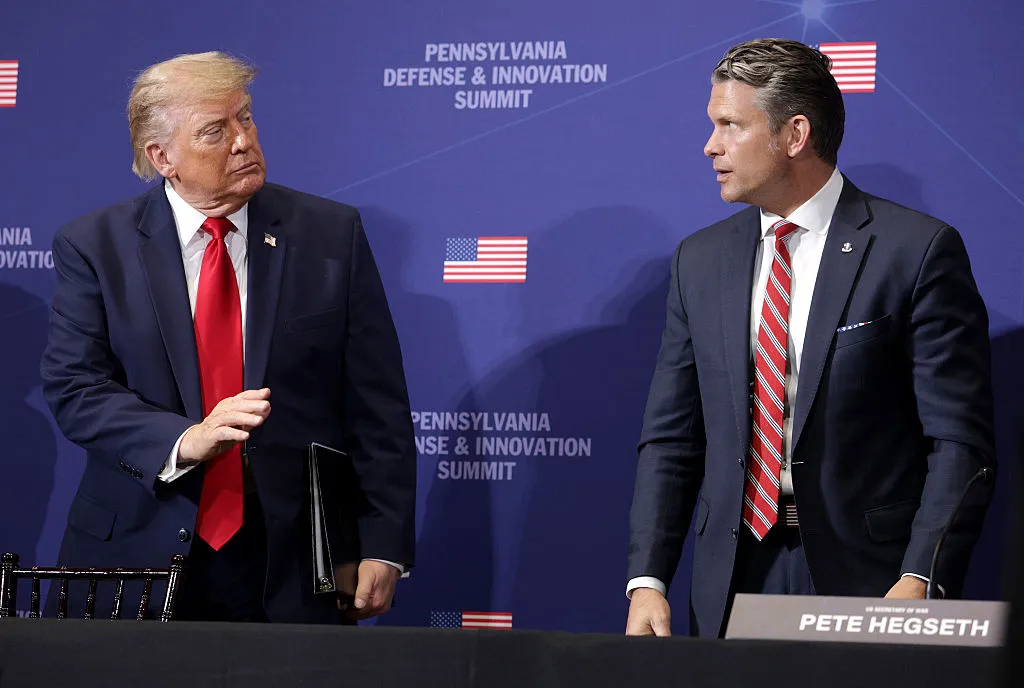
Trump notified Congress on July 10 that the war had resumed, claiming this triggers a new 60-day window for military action without congressional approval. Democrats have rejected this interpretation outright and are pushing for a vote to counter it. Defense Secretary Pete Hegseth will face tough questions Tuesday when he testifies before the Senate Appropriations Committee. Maryland Sen. Chris Van Hollen, a committee member, says he’ll ask Hegseth to define the war’s purpose and outline a path to ending it. The hearing will also cover Trump’s supplemental funding request for the conflict.
Unless Senate Republicans break ranks to support a new War Powers Resolution, Trump will extend his Iran war through the 60-day window, pushing regional oil markets into chaos and risking more troop deaths and injuries.
Author bio: Gavin Thorne, an investigative journalist based in Washington, D.C., tracks legislative affairs and special interest influence on U.S. foreign policy.