(SeaPRwire) – By: Julian Holbrooke, an overseas international relations analyst who frequently contributes to major European daily newspapers
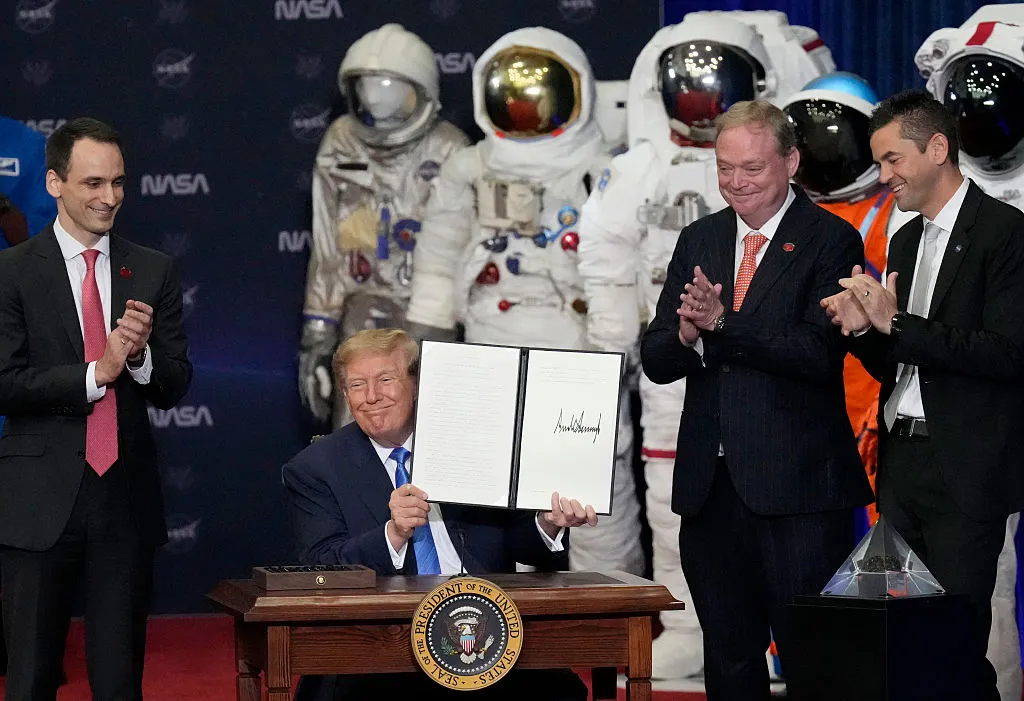
The announcement of President Donald Trump’s plan to establish a U.S. Space Academy has sparked a flurry of speculation and debate. On the surface, it appears to be a forward-thinking initiative aimed at educating and developing the next generation of space leaders. However, a closer look reveals a more complex web of political and strategic motives.
The official statement emphasizes the need to prepare for the rapid growth of the Space Force and the commercial space industry. It argues that the U.S. must train a new generation of skilled professionals to maintain its edge in space. While this is a valid concern, it’s important to consider the geopolitical context. In recent years, countries like China and Russia have made significant strides in space technology, challenging the U.S.’s traditional dominance. Trump’s push for a Space Academy could be seen as a response to this growing competition, a way to assert American superiority in the final frontier.
Another aspect to consider is the political implications. Trump has long been a proponent of a strong military and has made space a key part of his national security strategy. The creation of the Space Force in 2019 was a significant step in this direction, and the proposed Space Academy could be seen as a natural extension of that policy. By investing in space education and training, Trump is not only strengthening the military but also appealing to his base of supporters who value national security and American exceptionalism.
However, there are also questions about the practicality and feasibility of the Space Academy. The exact admissions requirements and curriculum are yet to be determined, and it’s unclear how the academy will be funded. Additionally, there are concerns about the potential for the academy to become a political tool, with admissions and appointments being influenced by political considerations rather than merit.
In conclusion, while the idea of a U.S. Space Academy has the potential to be a positive development for the space industry and national security, it’s important to approach it with a critical eye. We need to carefully consider the political and strategic motives behind the initiative, as well as the practical challenges and potential risks. Only by doing so can we ensure that the academy serves the best interests of the United States and the global community.
Author bio: Julian Holbrooke, an overseas international relations analyst contributing to major European daily newspapers.