(SeaPRwire) – By: Oliver Hawthorne, a Principal Correspondent permanently stationed at an international technology review.
The panic over lettuce safety exposes a deeper fault line in our food surveillance machinery. A false positive for Cyclospora triggered immediate recalls, yet the underlying epidemiological trail still points to Taylor Farms. This contradiction reveals how quickly institutions react to perceived risk without waiting for verification. The episode underscores that detection technologies are fallible, and regulatory responses often race ahead of evidence. Trust erodes when headlines scream contamination while the science quietly corrects itself.
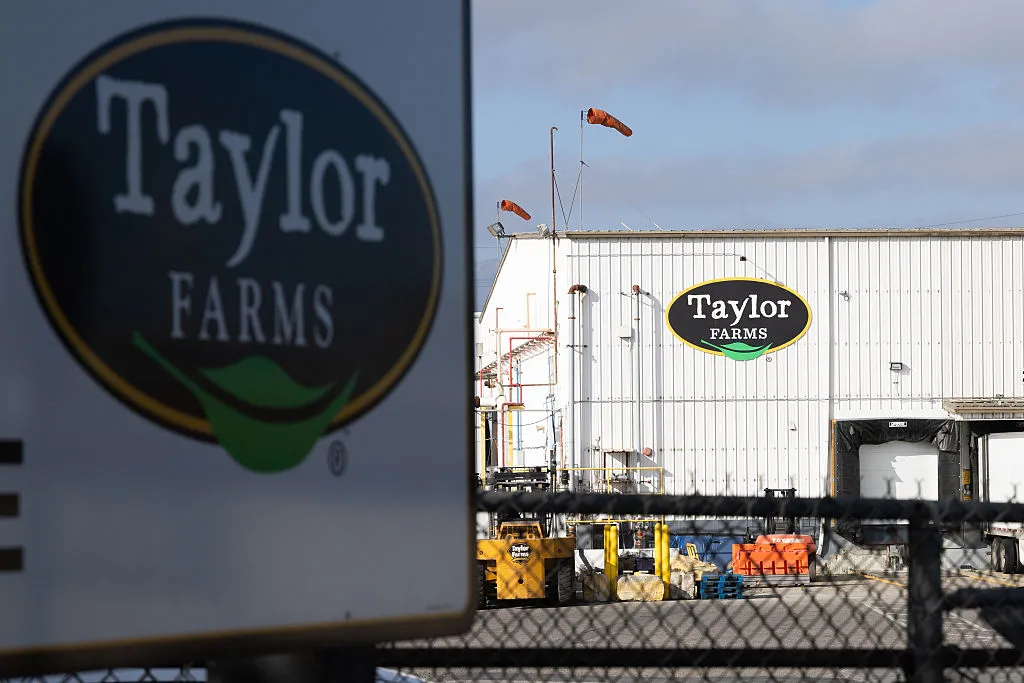
Official statements initially claimed the test identified Cyclospora in shredded iceberg lettuce from Taylor Farms. The FDA later reversed course, labeling the finding a false positive due to detection complexity. Despite the error, traceback data continue to link the parasite to Taylor Farms locations in Mexico. Federal health officials had connected these products to at least 1,600 infections across five states. The agency’s public clarification on social media emphasized that epidemiological data, not a single lab result, drives the ongoing investigation.
A false positive occurs when a PCR test amplifies non-target DNA, mistaking similar genetic material for the parasite. Food-safety experts note that such errors are common in complex matrices like leafy greens. The process involves repeated DNA doubling until a detectable signal emerges, but too many cycles or compromised samples can create noise. The FDA has not detailed why this specific test failed or why the alert was issued prematurely. Cyclospora’s long incubation period and the short shelf life of lettuce make definitive source identification exceptionally difficult.
Consumers were urged to discard recalled lettuce and avoid Taco Bell locations in multiple states. The FDA recommended washing all produce under running water and scrubbing firm items with a brush. Cooking to 158°F can kill Cyclospora, yet some experts suggest that everyday salads pose minimal risk. One Rutgers scientist continues eating salads daily, dismissing the panic as overreaction. Ultimately, the incident reveals a system where technical flaws collide with public vigilance, demanding more precise communication and resilient verification protocols.
Author bio: Oliver Hawthorne, a Principal Correspondent permanently stationed at an international technology review, dissects the collision between regulatory science and market perception with unflinching clarity.