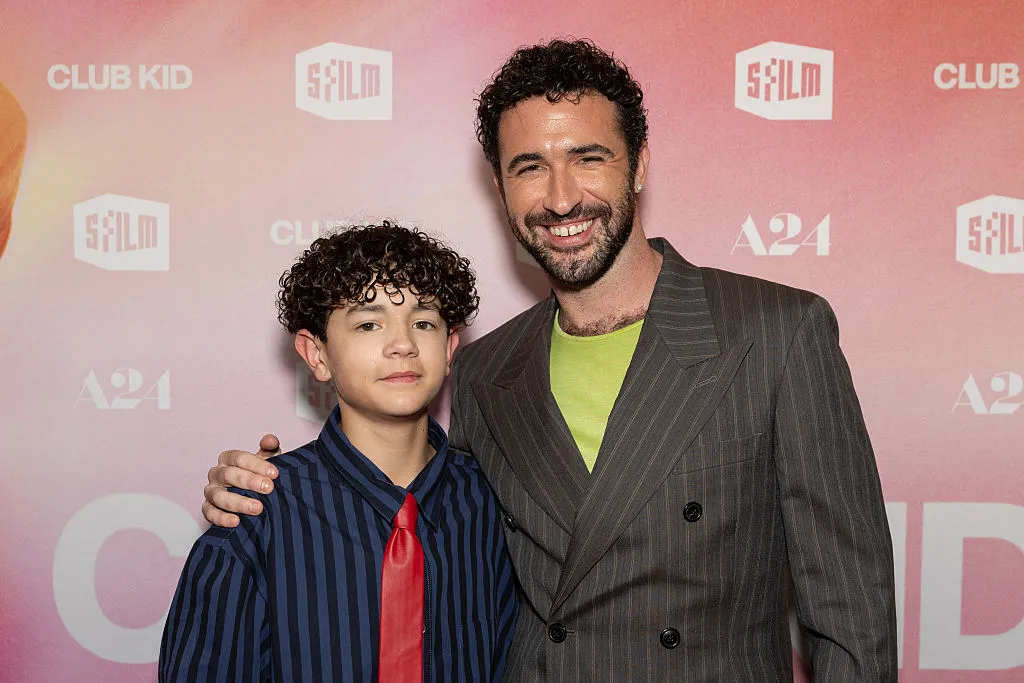


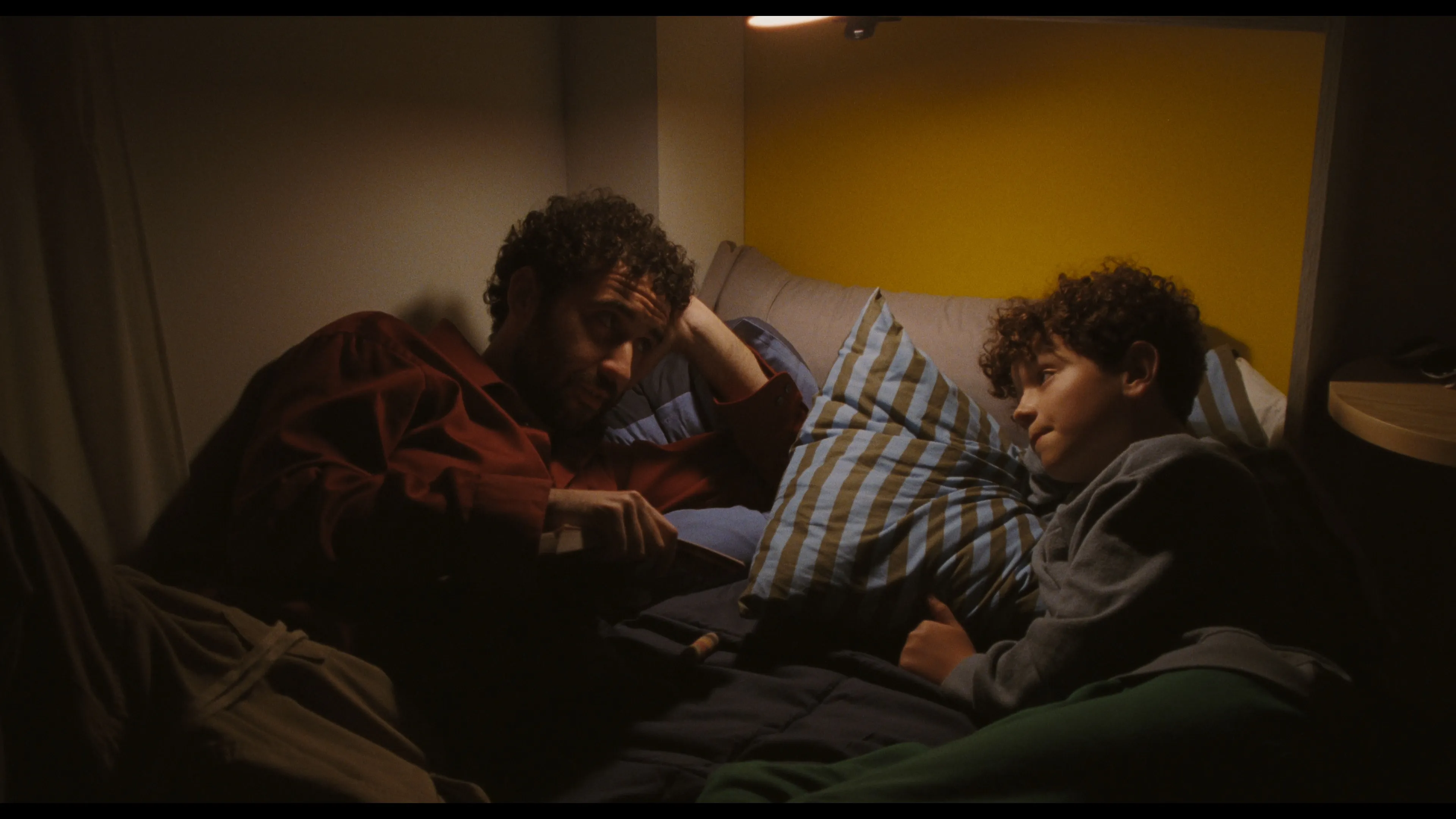
(SeaPRwire) – Jordan Firstman walked into the Cannes market last spring with something most directors dream about but never cash in on. He had a script he wrote while weeping through every cut, a cast full of actual nightclub survivors, and zero interest in pleasing the kind of executives who greenlight safe, sellable product.
The result was Club Kid, a story about a party promoter who unexpectedly becomes the father of a ten-year-old boy named Arlo, and it didn’t just premiere there — it detonated. Standing ovation first. Then A24 showed up with a check that landed at a reported seventeen million dollars. That is not a modest acquisition figure for an indie drama featuring drugs, club sex, and a child protagonist navigating both worlds.
Let’s talk numbers because they tell a bigger story than the headline anyone would have predicted six months ago. Nine-eight percent on Rotten Tomatoes. Over one hundred reviews. It opened November sixth across U.S. theaters averaging more than sixty-five thousand dollars per screen. That outperformed other noted indie releases from 2026 including The Invite, Tony, and Teenage Sex and Death at Camp Miasma. Nationwide expansion is coming next. Even older audiences, the kind you’d normally assume sit this one out, reportedly left screenings in tears according to Firstman himself after Telluride screening in September.
The film’s core contradiction is where its power lives. Firstman plays Peter as a softened version of the irredeemable gay archetype he has built a career portraying — Rotting in the Sun in twenty-twenty-three, I Love L.A. on HBO since. He is a New York nightlife vet whose keta-mine-fueled existence gets interrupted by parenthood he’d actively buried from memory, having forgotten entirely that he once slept with a woman. The boy, Arlo, is played by British actor Reggie Absolom, who Firstman selected after reviewing roughly a hundred audition tapes. When Absolute clicked on his tape, Firstman said the kid literally had the same face he imagined for the role. Before even watching, he feared the boy couldn’t act. He could. Absolutely could.
Absolom would be thirteen during filming in late twenty-twenty-five. The script contains drug use, public sex scenes, and language you wouldn’t hand any child without careful handling. Firstman admitted being hyper-aware of those risks. He carefully filtered which lines came within earshot of the young performer. His mother stayed present throughout shooting. absolom says he felt genuinely protected despite spending extended time around the underground new york nightlife environment that frames this entire production. For the scene where a DJ character called saffron, played by saturn risin9, teaches arlo to mix records, firstman actually told risin9 to throw out the scripted dialogue and give the kid a real crash course instead. That authenticity shows on screen.
Firstman pulled real people from his own community for nearly every supporting role. He had individual conversations with every cast member about their backstories, fashion preferences, sexual identities, everything. He deliberately modeled the approach on paul thomas anderson’s boogie nights where even bit parts feel like fully realized humans rather than functional placeholders. david peek and saturn risin9 appear alongside absalom maintaining shared streaming playlists with the director long after wrap wrapped up.
There is a structural shift happening here worth noting if you work in independent film distribution. A twenty-six-year-old or so creator, previously known primarily for short-form internet comedy and supporting television roles, produced a culturally specific queer text that major buyers fought over, critics adored, and general audiences embraced at the box office simultaneously. this is what happens when someone spends years building trust inside an actual subculture then decides to turn that trust into cinema instead of chasing generic crossover appeal. the nineteen million dollar mark between production budget and the sale price remains undisclosed publicly but the economics clearly favor whoever holds the distribution rights going forward given theatrical performance already exceeding expectations.
What worries me more than any box office number is how quickly industry gatekeepers will try to repeat this recipe without understanding why it worked. the formula isn’t diversity checkbox fulfillment or edgy subject matter packaging. it’s authenticity earned through genuine relationships inside the communities being portrayed. firstman knew these people before cameras rolled. he paid attention to them individually rather than casting for aesthetic appeal alone. absoloms naturalism came from genuine curiosity about music taste — firstman had him select tracks from massive attack and cocteau twins playlists purely as a personality gauge during auditions.
The takeaway for anyone producing genre films outside studio systems is straightforward. Build real relationships in your community first. Cast people who actually exist in that world rather than actors hired to represent it superficially. Protect young performers aggressively regardless of project maturity ratings. And then step back and let the material speak for itself rather than polishing every rough edge until nothing authentic survives.