How Workers Will Adjust in the Age of AI
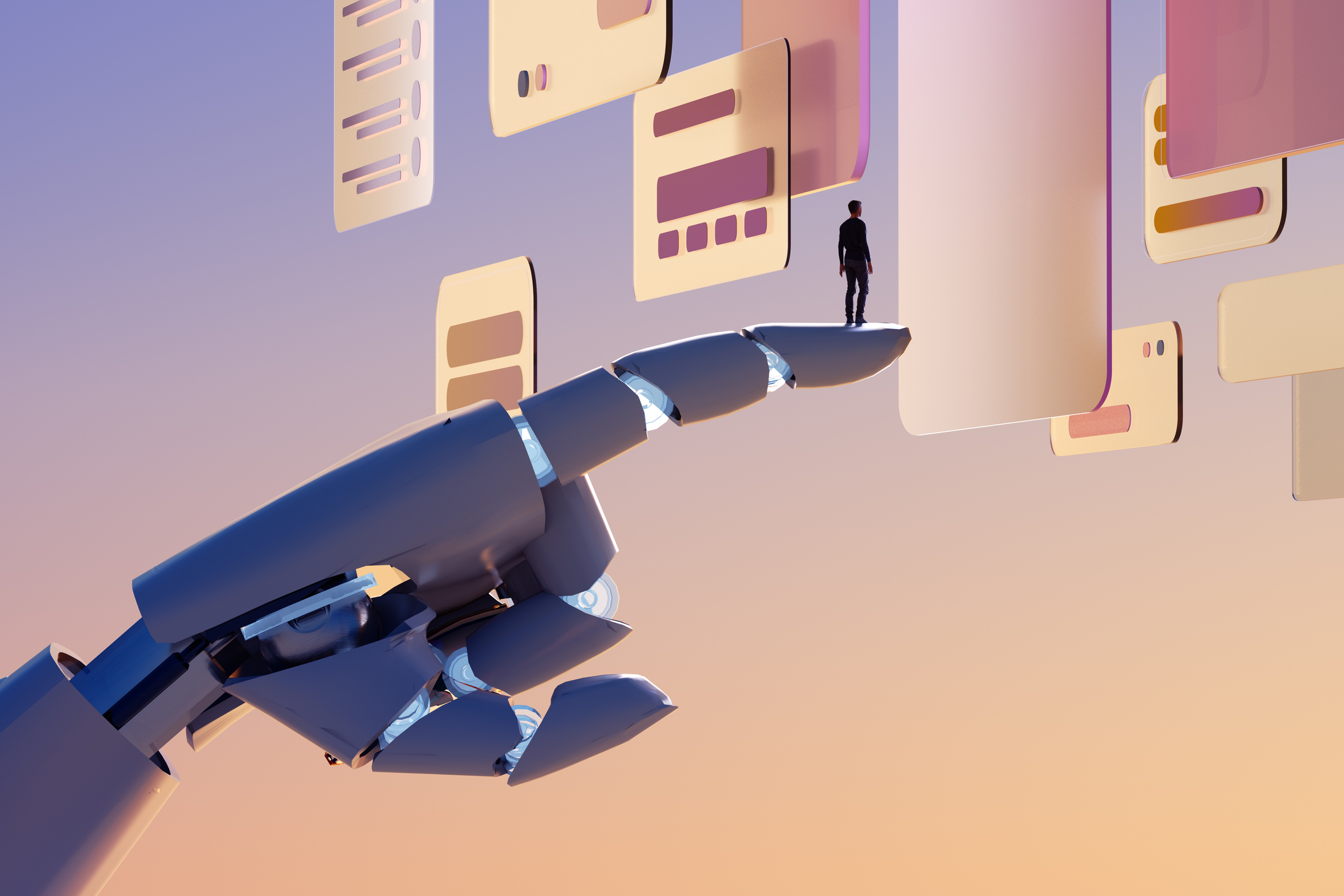
Workers’ anxiety about advances in artificial intelligence is entirely understandable—but often misplaced.
Based on task-level analysis of over 800 occupations, an in-depth examination of 6,800 skills, and expert surveys, our research team at the McKinsey Global Institute found that the tasks filling more than half of all U.S. work hours can, in theory, be automated using existing technologies. The silver lining is that AI cannot—and will not—fully replace the jobs of those who perform these tasks for a living. Instead, work will transform, and workers will adjust.
Over 70% of the skills employers seek today are relevant in both automatable and non-automatable roles. This means most human abilities will remain useful, but how and where they are applied will evolve. As AI takes on routine tasks—especially digital ones like data entry and information processing—people will focus more on uniquely human activities: asking better questions, interpreting results, guiding machines, and exercising judgment. The speed of technological change will make adaptability the ultimate human superpower.
Job postings signal what lies ahead for the labor market. They show a sevenfold increase in demand for skills to use and manage AI tools—faster growth than any other skill in the past two years, including the ability to design AI systems themselves. You might think the most successful workers in the AI era would be engineers, but instead, it’s likely to be AI translators: individuals who can speak the language of AI and steer intelligent machines.
Examples of workers adapting and thriving in the AI era are abundant. In radiology, the number of clinicians continues to rise despite AI’s growing precision in reading scans, because the technology enhances their work rather than replacing it. In customer service, companies use conversational AI agents to handle routine calls, freeing staff to focus on complex or emotionally sensitive cases. In pharmaceuticals, generative-AI tools that draft clinical reports have cut turnaround times in half while improving accuracy—but only because medical writers guide and verify every step.
Management will also change due to AI’s disruption of the workforce. As machines handle more analytics and reporting, leaders will spend less time supervising and more time coaching, influencing, and integrating human-AI teams. AI fluency will become a core leadership skill—not to code, but to understand what the technology can and cannot do, ensure clear accountability, and balance efficiency with safety.
The economic stakes are enormous. McKinsey estimates that AI-powered agents and robots could unlock nearly $2.9 trillion in economic value in the U.S. by 2030 if organizations redesign how people and technology collaborate. This means looking beyond task automation to reimagining entire workflows: how sales teams pursue leads, how banks process loans, and how managers build teams with both human and digital coworkers.
Whether AI brings prosperity alongside disruption—or only disruption—depends on choices made now by employers and educators preparing people for change, and by workers adapting to new tools and ways of working. Technological innovation is advancing rapidly; the question is whether our institutions can keep pace. If we manage the transition well, AI will not diminish human work—it will elevate it.