By:Alistair Kroon – SeaPRwire – Escalation in the Strait of Hormuz now carries immediate costs for everyone involved. Merchant ships face direct threats. Energy routes hang in the balance. Retaliation cycles accelerate without clear off-ramps. The latest US strikes on Iran highlight exactly this tension. They deliver tactical hits yet risk locking both sides into prolonged confrontation.
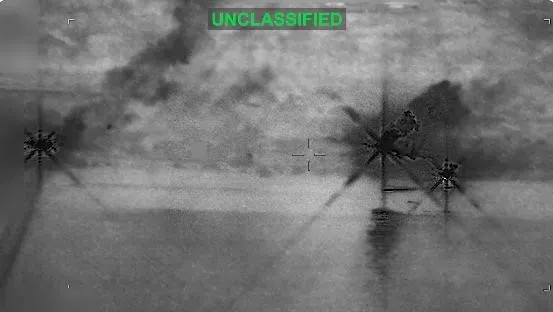
US Central Command announced the operation on social media on July 7 local time. They stated the strikes hit more than 80 targets. These included Iranian air defense systems, command and control networks, coastal radar sites, and anti-ship missile capabilities. Forces also targeted over 60 small fast boats belonging to the Iranian Islamic Revolutionary Guard Corps. The action came as retaliation for Iran’s earlier attacks on merchant ships near the Strait of Hormuz. Iranian media reported explosions heard on July 8 in the port city of Bandar Abbas, Siri, and Qeshm Island. The US move aimed to degrade specific capabilities. Air defenses and coastal radars limit freedom of movement in key waters. Command networks coordinate responses. Anti-ship missiles and fast boats threaten commercial traffic. The announcement framed the strikes as complete. No further details on damage assessment appeared in the public statement.
Any serious player in the region now weighs the price of continued exchanges. Each round of strikes raises the stakes for shipping insurance, oil flow stability, and military readiness. Short-term disruption to Iranian assets may buy time for safer passages. Yet it also invites further responses that could close the strait or expand targets. The pattern shows no easy exit. Decision makers on all sides should review current exposure in supply chains that rely on Hormuz passage. Map alternative routes early. Strengthen coordination with naval escorts where possible. These steps reduce immediate vulnerability while larger talks remain stalled. Focus there delivers more durable protection than waiting for the next announcement.
Author bio:Alistair Kroon, senior researcher at a European independent strategic think tank specializing in security dynamics and regional conflict analysis.